For medical students and schools in Ghana

Somewhere in this crowd is your next patient.

The trader with a headache. The mother at 32 weeks. The boy with a fever. Be ready for every one of them, from your own lecture slides.

words per quote, each checked against its slide
≤25
words per quote, each checked against its slide
Ghanaian care settings for OSCE stations
48
Ghanaian care settings for OSCE stations
structures in the 3D atlas
2,828
structures in the 3D atlas
flashcard reviews on the ward, no data needed
Offline
flashcard reviews on the ward, no data needed

Product

One lecture deck in. A full study kit out.

Everything is built from the slides you were given. Try it below.

Ask anything

Answers quote the exact slide. Tap a source to see it.

First-line for uncomplicated malaria?

An artemisinin-based combination such as artemether-lumefantrine, for three days.

What if he keeps vomiting the tablets?

Give artesunate by injection until he can take tablets, then complete a full ACT course.
OSCE stations

Timed patients in real Ghanaian care settings.

Door note08:00

Tamale Teaching Hospital, OPD

Kofi, 34, trader. Headache for three days. Take a history.

  • Ask Kofi a question below. The clock starts when you do.

MCQs and mock exams

Exam-style vignettes, one defensible answer each.

32 weeks, BP 160/110. Which drug should she not get?

Pick an answer. Every option explains itself.

Flashcards

Spaced repetition that works offline. Exports to Anki.

Flip the card, then rate it.

Teach-back

Explain a topic out loud. Get corrected from the slide.

A student explains pre-eclampsia out loud. Preceptor checks every claim against the slides.

Corrections appear here, with the slide they come from.

Weak spots, fixed

Every miss becomes a flashcard, and your study plan goes after your weakest topics first. Tap a topic.

Card made from your miss · due today

First-line uterotonic for postpartum haemorrhage?

Oxytocin 10 IU IM or IV

Obstetrics 2 · slide 17

Trust

It shows its work, or it stays quiet.

Built so a lecturer can check any answer in seconds.

  • Every quote is checked25 words or fewer, matched word for word against the slide before anyone sees it.
  • Guidelines come firstThe Ghana STG outranks lecture slides on dosing and management. Conflicts are flagged, never hidden.
  • No guessingIf your materials don't cover it, the answer is “Not found in your materials.”

How it works

Three steps. No setup.

  1. 01

    Upload your slides

    PDF or PowerPoint, straight from your phone.

  2. 02

    Study from them

    Ask, quiz, drill cards or run a station.

  3. 03

    Close your gaps

    Misses become cards. The plan follows your weak spots.

3D atlas

Tap a structure. Get quizzed on it.

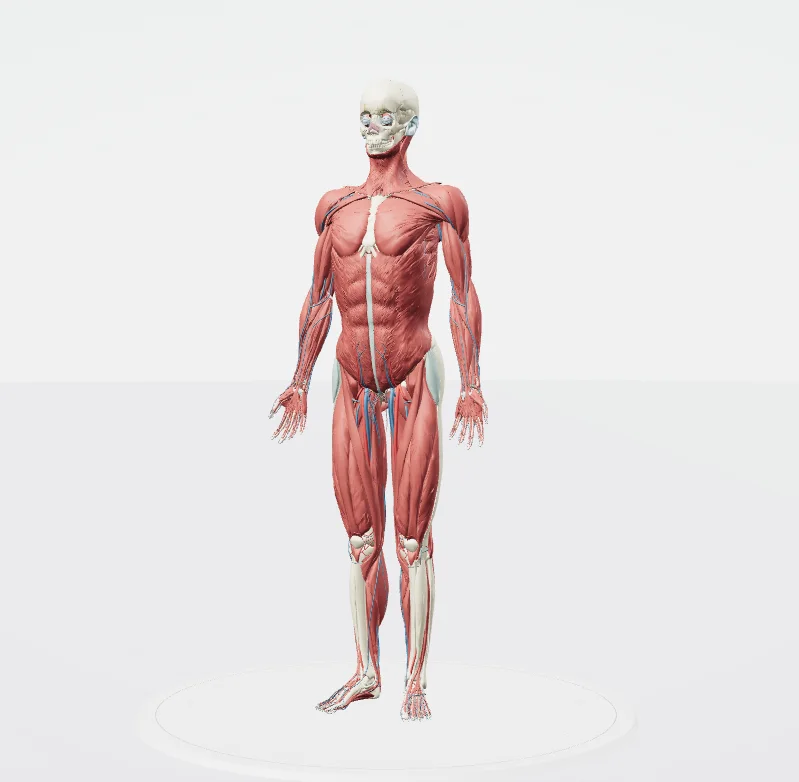
2,828 bones, muscles, organs and nerves you can rotate, peel back and zoom into.

  • See which of your slides mention it
  • Make flashcards and questions in one tap
  • Seven systems, from skeleton to lymph
The 3D atlas model: a full-body skeleton with its muscles, standing on a round platform

Tap a dot

DeltoidMuscles

Abducts the arm from about 15° to 90°. Supplied by the axillary nerve (C5, C6).

Anatomy 2 · slide 14

Which nerve is at risk in a fracture of the surgical neck of the humerus?

For schools

Built for everyone who gets a student through finals.

Students

Study what you were taught.

  • Your own lectures, not a generic question bank
  • OSCE practice any hour, no partner needed
  • Flashcard reviews offline on the ward

Lecturers

Your slides stay the source.

  • Answers cite your slide, not the internet
  • Students can flag any answer for review
  • Medicine, Surgery, Paediatrics and O&G

School admins

Simple to approve.

  • Invite-only, one code per class
  • Each student's work is private to them
  • Daily limits keep costs predictable

Questions

What schools ask first.

Does it replace lectures?

No. It works only from the slides your lecturers teach, and points students back to them.

How accurate is it?

Every fact must quote a slide, and the quote is checked before it is shown. Weak evidence gets "not found", not a guess.

Is any patient data involved?

None. It is a study tool. OSCE patients are fictional, and nothing is meant for clinical use.

How do students get in?

The school or class coordinator hands out an invite code. Schools request access by email.

Bring Preceptor to your class.

Students join with an invite code. Schools and lecturers, write to us.

© 2026 Preceptor • Educational study tool only (not for clinical use) • Terms & Privacy